
Zelda-Like High Fit
Aggelos review
An expertly crafted callback to simpler times while still maintaining a modern approach to game design. Unique and imaginative power-ups and puzzles place Aggelos above the competition. Share
Excellent
out of 5
Reviewed
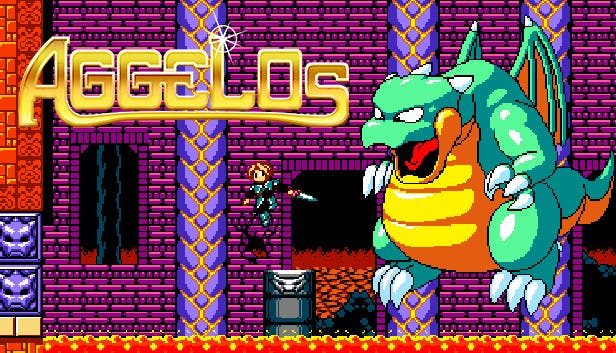
Nostalgia is a powerful commodity in the gaming industry these days, and it’s something that indie developers often try to tap into. The most successful projects are crafted by tricky illusionists, those that recognize that there’s a difference between what we remember and reality. Capturing that memory without capturing the archaic – and often unfair – mechanics is what the best projects achieve. Aggelos should be counted among the best nostalgic game projects.
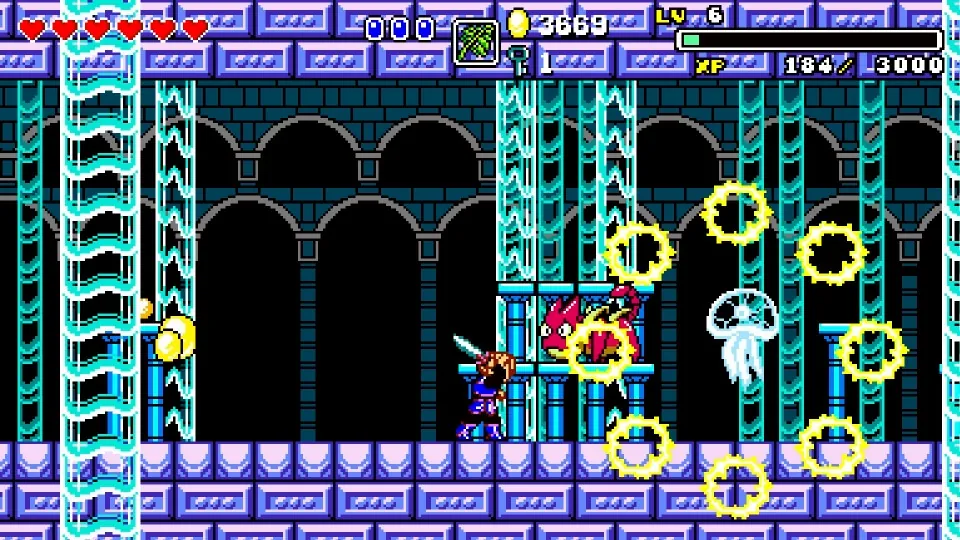
Aggelos is very reminiscent of Zelda II: The Adventure of Link; early on you get a down stab ability, and you access four dungeons that play music very similar to the temple music from that old NES title. However your attack comes out instantly, covers a wide range in front of you, and you have a ducking slash that can be used to protect yourself from aerial attackers. These basic abilities are in contrast to the weaknesses that Link had in Zelda II. It all controls perfectly – though you may need to use Joy2Key or Steam’s custom controller options to get the buttons exactly the way you want it.
The dungeon design is also far closer to post A Link to the Past Zelda dungeons than it is to the original two NES Zelda games. With the exception of your starting abilities, every attack or technique in Aggelos has a dual purpose. A spell that can be used as an arcing ranged attack can also turn enemies into platforms, the float ability can also be used as a defensive bubble, and even the obligatory double jump is combined with an upward slashing attack. It’s a very Nintendo-like approach to game design that adds some much needed complexity to the combat, and leads to some very fun puzzles. These dungeon puzzles are what really set Aggelos apart from other Metroidvania titles.
Aggelos has a leveling system so you could technically grind your way to victory, but everything is designed well enough that reflex or pattern memorization can optionally eliminate the need to power up. Death is also very generous – you keep any items you found and any gold you obtained rather than starting over from your last save. You do lose some experience points toward the next level, but later on you can expend cash for xp anyway, which also has the benefit keeping the gold relevant long after you’ve purchased all the best equipment. The game ramps up in difficulty at about the same time enemies drop enough gold to make potions a drop in the hat to purchase. The challenges are very well paced and accommodate a high number of player experience levels – and there’s even a recently patched in hard mode for those who want a little more as well.
A lot of the puzzles outside the main dungeons involve running errands for NPCs, but thanks to a generous teleportation system it never feels like a drag to perform the tasks. On the contrary the NPCs are colorful enough (though still as flat as any NES NPC) that it’s about as fun and entertaining to do the quests as it was to do the Trading Game in Link’s Awakening. I also enjoyed how the game occasionally played on old NES presentation tropes to subvert expectations.
With all of these “improvements” over oldschool game design, you’re able to easily enjoy the deeply imaginative game world of Aggelos. It captures a rare nostalgic feeling of adventure with a dash of camp and hope. Thanks to its expert design, its offerings will melt away before you, making you want more, but leaving you completely satisfied with what you had. I really enjoyed Aggelos, and it’s easily one of my favorite games of 2018.
Screenshots
Images: Steam store page ↗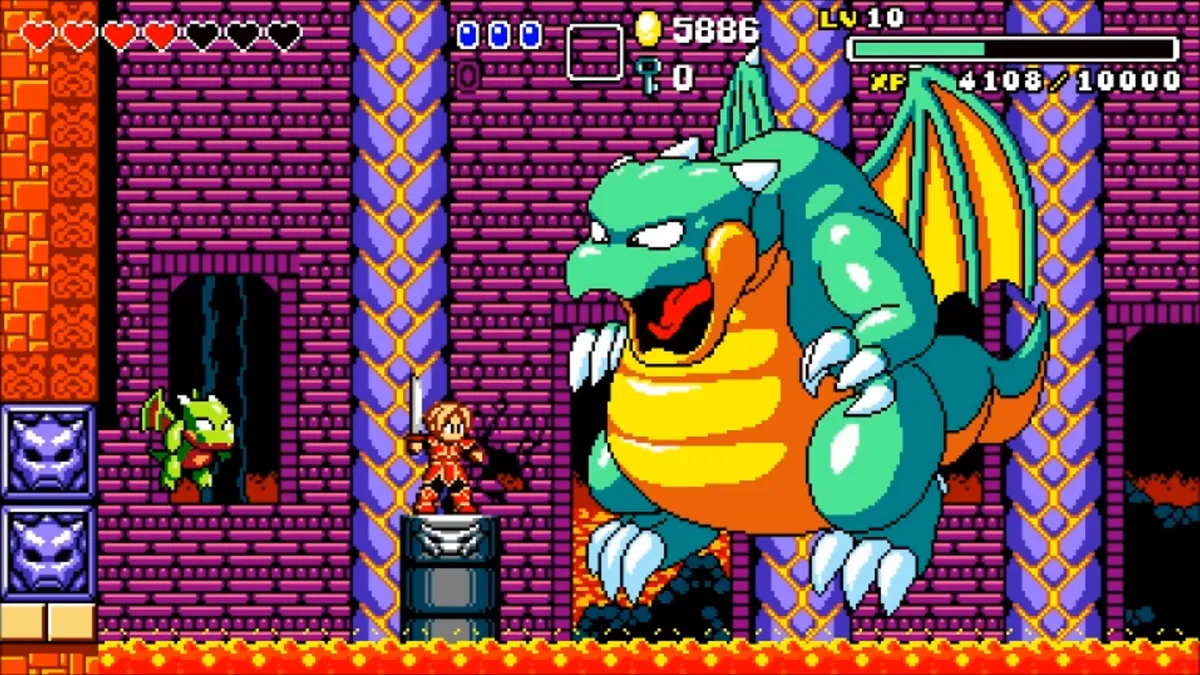
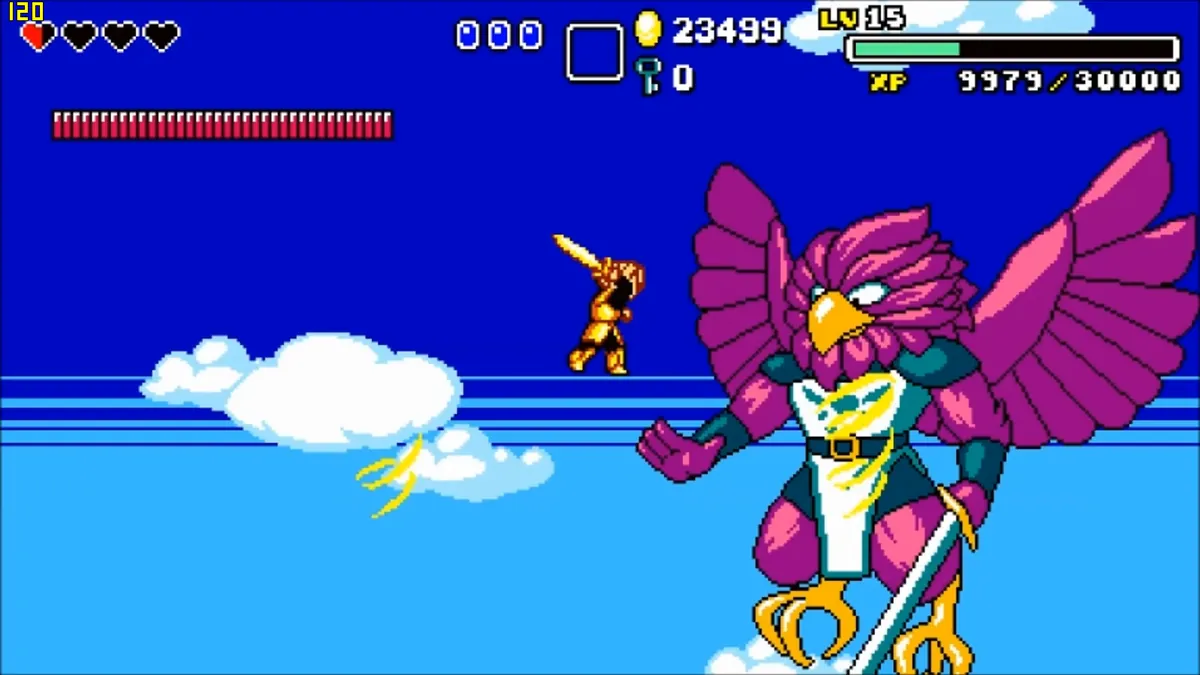
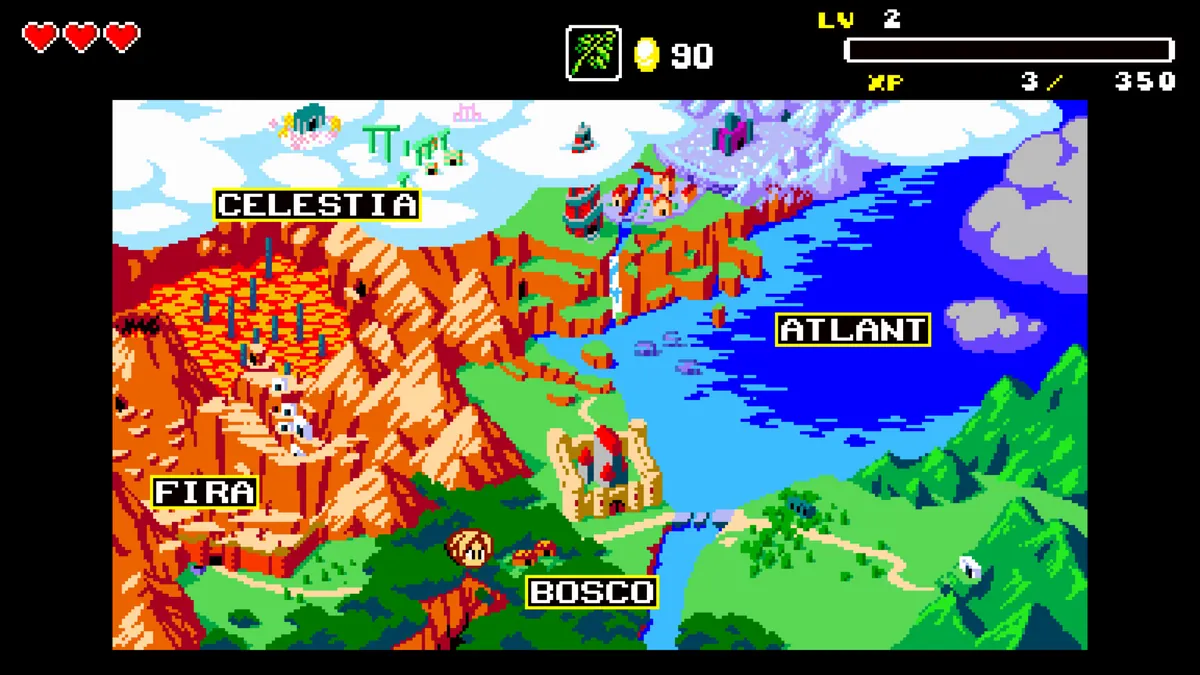
Difficulty
How hard is Aggelos?
Yes. Aggelos scores 77/100 on our difficulty scale, the #34 hardest of 207 Metroidvanias reviewed here. A real challenge; most players will hit walls that take practice.
- Our review: rated high difficulty.
- Steam players: 42% of 227 English reviews describe it as hard, 13% as easy — harder-rated than 81% of games here.
- Offers multiple difficulty modes, so you can tune the challenge.
Final verdict
Aggelos
An expertly crafted callback to simpler times while still maintaining a modern approach to game design. Unique and imaginative power-ups and puzzles place Aggelos above the competition. Share
Metroidvania breakdown
Combat
4/5Very simple but effective swordplay. Lacks a block or dodge option, but makes up for it with later movement options
Platforming
4/5Hardest challenges reach ''Guacamelee'' levels of difficulty. Overall a decent platforming experience
Exploration
4.5/5The world melts away as you gain more powers and interact with new NPCs
Puzzle
4.5/5Each new ability presents a new puzzle challenge as you progress through the game's 4 main dungeons
Story
3.5/5Basic NES style Story with some cute subversions of expectations
Graphics
4/5Gorgeous NES/Master System Style visuals that feel just right in terms of collision and action
Music
3.5/58-bit tunes are good and catchy, but the high pitch tunes might hurt the ears after long play sessions
Replayability
2.5/5There's now a hard mode, and there are a few challenge achievements that might entice multiple playthroughs
This game was played on Steam
Featured in
Further reading
If you liked Aggelos
All reviews →
Chronicles of Teddy Harmony of Exidus
- Continues the Music-as-Language theme of its predecessor while adopting a fun upgrade to Zelda 2's combat and dungeon design. Controls may be frustrating to some, but this is a Gem.

Finding Teddy
Not a Metroidvania, but if you want to try its Metroidvania Sequel - Chronicles of Teddy - I highly recommend you play this one first to become familiar with its musical language concept

Cathedral
Satisfying bosses, nostalgic presentation, and most of all incredible level design make Cathedral a hidden gem for anyone that might enjoy its Zelda-like brand of Metroidvania exploration.